
Roofs Built for Decades of Weather
Roofing Services in Lake Crystal for residential properties with aging, damaged, or failing roof systems that no longer protect the structure below
Southern Minnesota roofs contend with ice dam formation, heavy snow loading, and wind-driven rain in a way that accelerates shingle degradation and exposes underlayment failures faster than the product lifespan printed on a package might suggest. Theissen Construction provides roof installation and replacement in Lake Crystal for homes where the current roofing system has reached the point where it no longer reliably protects the decking, insulation, and ceiling structure beneath it. The most common indicators are granule loss in gutters, curling or missing shingles, interior ceiling stains after rain or snowmelt, and visible sagging at the decking level when viewed from the attic.
Roof replacement involves stripping the existing shingles and inspecting the decking for soft spots, rot, or delamination before any new material goes down—a step that separates a complete replacement from a layover installation that traps moisture between old and new material. In this climate, ice and water shield membrane installation along the eave line and in valleys is a code requirement and a functional necessity, given how consistently ice dams form on homes with inadequate attic insulation or complex rooflines. Ventilation at the ridge and soffits is evaluated as part of the project because a properly installed shingle system on a poorly ventilated attic will still develop premature failures from heat buildup in summer and moisture condensation in winter.
Request an attic and exterior roof evaluation to assess decking condition, ventilation performance, and what a full replacement would involve for your home's specific roofline.
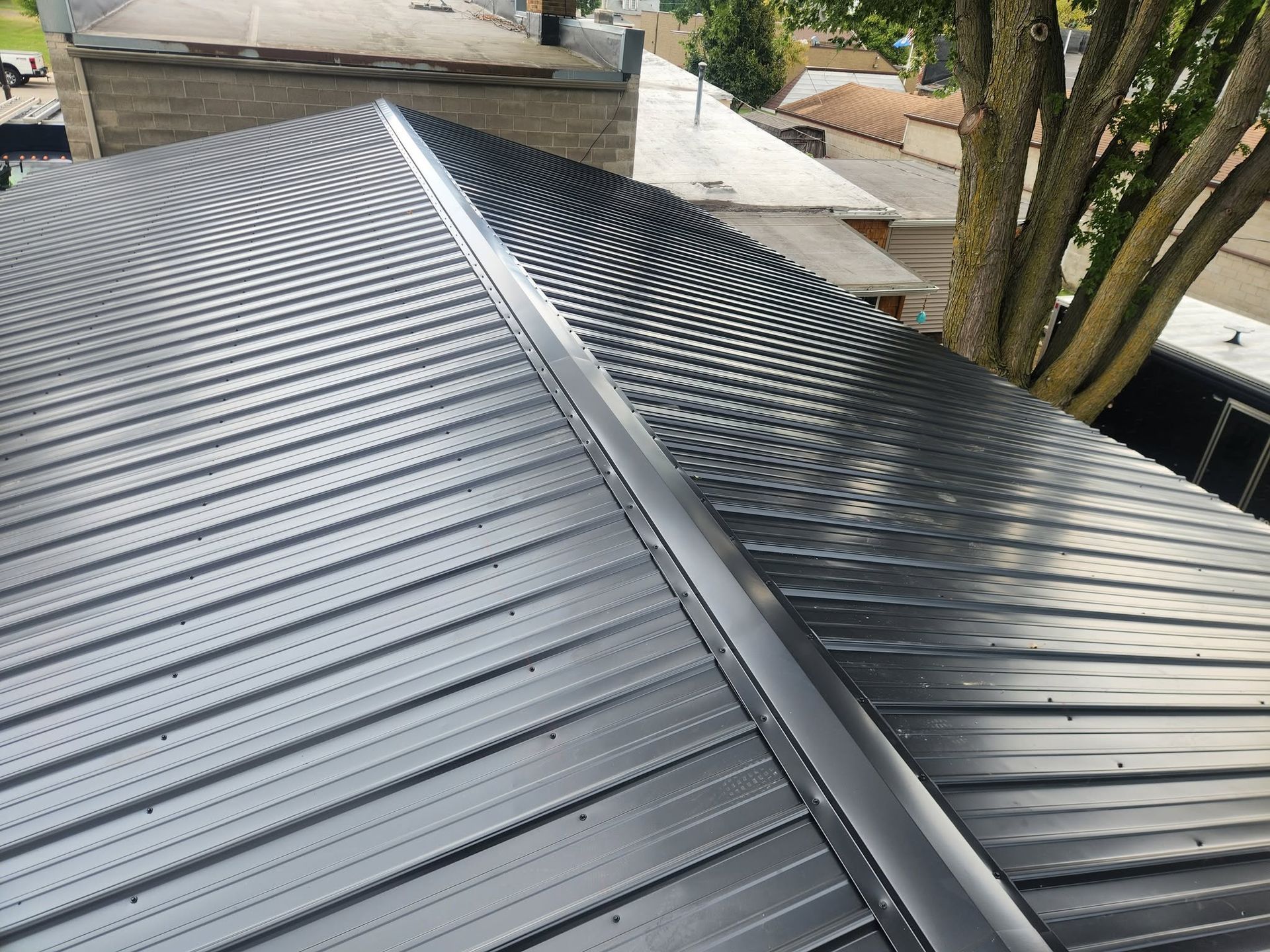
Why Roofing Failures Happen and How to Stop Them
Most residential roof failures in this region don't begin at the shingle surface—they start at flashing points around chimneys, skylights, plumbing penetrations, and roof-to-wall transitions where the metal has lifted, corroded, or was never sealed properly in the original installation. A roof replacement addresses the visible surface while also resetting all of these vulnerable transition points with new step flashing, pipe boots, and valley metal installed according to current standards. Decking fasteners are also verified or replaced during the process since wind uplift resistance depends on sheathing being properly secured to the rafters or trusses below.
After replacement, the interior ceiling should remain dry through freeze-thaw cycles, spring rain events, and summer storms—the absence of new staining or dripping is the clearest confirmation that the system is performing as installed. Theissen Construction carries the project through ridge cap installation and complete debris removal so the property is left clean, with gutters cleared of any roofing material that fell during the tear-off. Gutters and downspout performance are worth reviewing at this stage since a new roof that drains into undersized or blocked gutters can still direct water toward the foundation.
Shingle selection involves more than color—impact resistance ratings, wind speed ratings, and manufacturer requirements for ventilation and underlayment all affect whether the installed product performs as warranted. Homes in this area with steep pitches or complex valley configurations require more careful planning at the material stage because waste factors and flashing runs increase substantially compared to simple gable designs.
Answers to Frequent Roofing Questions
Roofing questions from homeowners in Lake Crystal often center on what's actually wrong with the current system, what the replacement process involves, and what to watch for afterward.
How do I know if my roof needs full replacement versus targeted repair?
When shingles show widespread granule loss, curling at multiple elevations, or the roof is approaching or past 20 years of age, piecemeal repair addresses symptoms without correcting the systemic degradation that will continue in the sections left in place.
What is ice and water shield and why is it required here?
Ice and water shield is a self-adhering membrane installed under shingles at eaves, valleys, and penetrations that prevents water from backing up under shingles during ice dam events—a common occurrence on Minnesota homes where attic heat differentials cause snow to melt and refreeze at the cold eave line.
Why does attic ventilation affect roof system lifespan?
Without balanced intake and exhaust ventilation, attic temperatures in summer can exceed 150 degrees, which softens shingle adhesive strips and accelerates UV degradation—the same condition that voids many shingle manufacturer warranties when ventilation doesn't meet their specifications.
When is roof decking replacement necessary during a re-roof?
Any section of OSB or plywood decking that shows delamination, soft spots underfoot, or visible dark staining from sustained moisture contact needs replacement before new shingles are installed, since fasteners driven into degraded decking won't hold the wind uplift loads the shingle system is rated for.
How does roof pitch affect the installation approach in Lake Crystal?
Steeper pitches shed snow faster but require additional safety equipment and take longer to complete; lower pitches are more vulnerable to ice damming and typically require a wider ice and water shield installation zone at the eave than minimum code specifies.
Theissen Construction can assess your current roof from both the exterior and the attic interior to give you an accurate picture of what's happening at the decking and ventilation level before any replacement decision is made—call (507) 508-6380 to schedule that review.