
Cleared Space Ready for What Comes Next
Light Demolition in Lake Crystal for interior and exterior structures that need selective removal before remodeling or new construction begins
Selective demolition—removing a wall, tearing out a bathroom, pulling an old deck, or clearing a deteriorated outbuilding—requires a working understanding of what's behind surfaces before anything gets cut or broken open. Theissen Construction handles light demolition in Lake Crystal for homeowners and contractors who need controlled removal work that leaves the surrounding structure intact and the project area ready for the next phase of construction. The practical need arises most often when a remodeling project can't proceed until existing material, fixtures, or framing are cleanly removed without damaging adjacent surfaces that will stay in place.
Interior demolition commonly involves removing non-structural walls, flooring, cabinetry, ceilings, and bathroom fixtures while protecting mechanical lines—plumbing, electrical, and HVAC runs—that pass through or near the work area. The sequencing matters: electrical circuits are identified and de-energized before drywall is opened, plumbing shutoffs are located and tested before fixtures are disconnected, and load-bearing elements are confirmed before any framing is cut. Exterior demolition work, such as removing attached structures, old siding sections, or deteriorated decking, requires the same identification process to avoid damaging flashing, house wrap, or structural connections at the point where the old structure meets the home.
Arrange a pre-demolition walkthrough to identify mechanical conflicts, load-bearing elements, and the scope of debris removal your project requires.
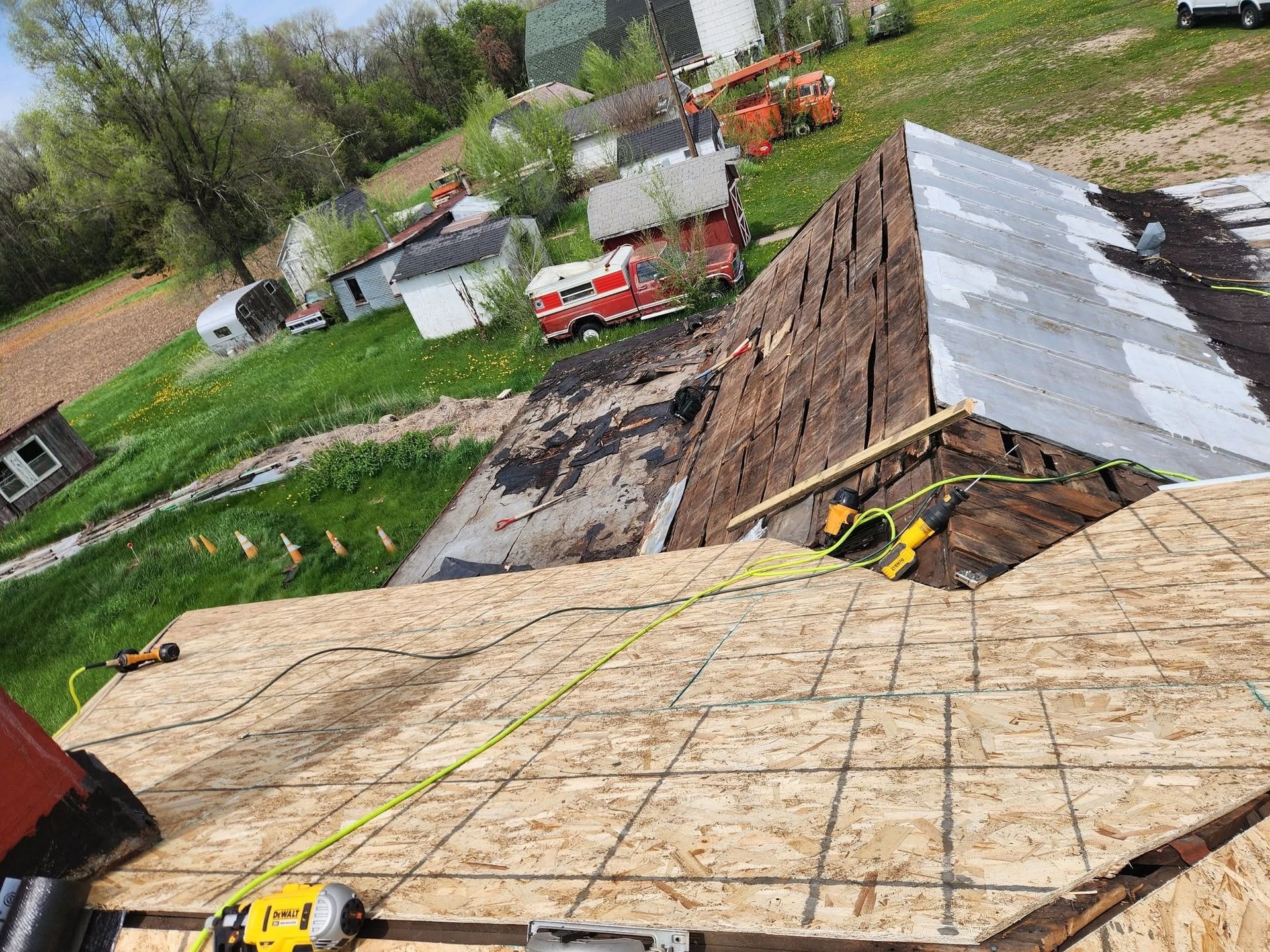
The Difference Between Selective and Uncontrolled Removal
The distinction between clean demolition and a job that creates new problems lies in the planning stage—specifically in confirming what each surface conceals before work begins. Older homes in this region, particularly those built before 1980, may contain asbestos-containing materials in floor tile, pipe insulation, or textured ceiling coatings, and testing before any disturbance of those materials is the appropriate step rather than assuming material age or appearance indicates safety. Beyond hazardous material considerations, identifying the structural role of each wall or framing member prevents the kind of accidental removal that requires emergency shoring or significantly expands the project scope.
After selective demolition is complete, the work area should be free of debris, with utility rough-ins capped or flagged, subfloor or sheathing exposed and intact where new work will connect, and no collateral damage to adjacent walls, ceilings, or floors that will remain. Theissen Construction hauls debris as part of the demolition scope, so the cleared space is ready for framing, rough-in, or foundation work without a separate cleanup step in between. Cut edges at drywall, flooring, and sheathing are left clean enough to work from directly rather than requiring additional trimming before new material can be installed.
The scope of light demolition varies considerably based on the size of the structure being removed, how it connects to the main structure or existing utilities, and what condition the underlying surfaces are in—deteriorated framing or unexpected material layers beneath a surface add time and affect how the debris volume is handled. Exterior demolition in Minnesota also requires attention to weather timing when the removal exposes any part of the building envelope that won't be immediately re-clad, since open sheathing in freeze-thaw or rain conditions creates secondary damage quickly.
What Property Owners Usually Ask About Demolition
These questions reflect the practical details Lake Crystal homeowners and renovation project managers typically want answered before scheduling demolition work.
How is it determined whether a wall is load-bearing before removal?
Load-bearing walls typically run perpendicular to floor joists, support weight from above, and often align with beams or columns in the basement or crawlspace—verification involves tracing the structural path from roof to foundation rather than relying on visual inspection of the wall surface alone.
What happens to plumbing and electrical lines inside walls being removed?
Circuits are traced and de-energized at the panel before demolition begins, and plumbing lines are shut off and capped at the nearest accessible point—leaving live lines exposed in a demolished wall creates safety and moisture risks for the rest of the project.
Why does the age of the home affect how demolition is approached?
Homes built before 1980 in Lake Crystal are statistically more likely to contain materials that require testing before disturbance, and older framing methods—balloon framing rather than platform framing, for example—affect how walls are removed without affecting adjacent structure.
What does debris removal include and what falls outside the scope?
Light demolition typically includes hauling the material removed during the project—framing, drywall, flooring, fixtures—but material that requires special disposal handling, such as confirmed asbestos-containing material, follows a separate removal protocol that differs from standard construction debris.
When should demolition be scheduled relative to the broader remodeling project?
Demolition is most efficient when it immediately precedes the trade work that follows—scheduling a gap between demo completion and framing or rough-in startup can create situations where the exposed area is compromised by weather, dust migration, or access conflicts with other ongoing work.
Theissen Construction approaches demolition as the first step in a construction sequence rather than a standalone task—call (507) 508-6380 to walk through your project scope and confirm what the removal phase would involve before the build-back begins.